
- Include questions on mobility and access to quarterly public surveys to ensure TARTA is meeting all rider needs.
- Implement an updated customer service training program for all public-facing employees.
- Continue to implement supports for riders with disabilities across all services.
- Continue to facilitate the Customer Advisory Committee (CAC) and make customer experience enhancements based on input.
2026-2031 Strategic Plan
ADOPTED BY THE TARTA BOARD ON FEBRUARY 12, 2026
The Toledo Area Regional Transit Authority (TARTA) 2026–31 Strategic Plan was framed by CEO Laura Koprowski with a Design Team comprised of 19 organization leaders, informed by 235 touchpoints with internal and external stakeholders, and written by the organization’s Leadership Team. Stakeholder input and feedback were collected from customers, employees, riders, nonprofit and government leaders, business leaders, and other community members.
The updated draft outlined on the following pages reflects changes based on feedback from the open comment period and the Board, as well as additional refinements to enhance readability and reduce unnecessary duplication. The plan is both actionable and comprehensive and is ready for launch, supported by a detailed implementation plan that identifies timelines, responsible parties, and metrics for each strategy and/or tactic.
TARTA is highly committed to being agile in response to new and unanticipated needs. Because of this, the plan is a living document. TARTA will update the plan as necessary to ensure the most favorable impact of our work on the region.

Eight focus groups and seven coffee chats offered multiple options for open conversation with employees, customers, and the community about plan elements.
An open comment period (December 19, 2025–January 12, 2026) provided the opportunity for internal and external stakeholders to offer survey feedback on the draft.
Goal I: Customer Experience
Exceeding customer expectations with services that anticipate and meet their needs.
Superior Service
Objective I. A.
What: TARTA will consistently deliver an exceptional and reliable rider experience through professional and easy-to-use transit services, modern facilities and vehicles, and a customer-first culture.
How: To achieve superior service, TARTA will improve every stage of the customer journey.
Key Performance Indicators:
- Develop finalized plans and designs for new transit center by 2031
- Operate services from Franklin Park Station by 2028
- Define at least two new connection points and operationalize by 2030
- For fixed routes, Flex, and Move:
- Increase in annual NPS
- Increase in annual Customer Satisfaction
- Adhere to the Vehicle Replacement Schedule
Strategies & Tactics
Study all stages of the customer journey for different types of riders across all services.
Expand mobility services and support for riders based upon need, demand, and customer input.
- Assess extending Hub hours.
- Review extending information desk hours for improved customer assistance.
- Obtain autism designation for TARTA as an organization to improve accessibility for those with developmental needs.
- Implement additional supports for those with disabilities based on results of ongoing study.
Develop plans and funding structure for a new transit center.
- Implement plans for new transit center.
Complete and open the new Franklin Park station.
- Continue to implement project plan for launch of new Franklin Park station.
Enhance technology for TARTA Move customers.
- Introduce online booking for TARTA Move service.
Connecting People
Objective I. B.
What: TARTA will strengthen the region’s ability to connect people to jobs, education, healthcare, life needs, and essential community services.
How: TARTA will increase access to opportunity for all riders. This includes forging strong community partnerships and designing services that make it easier for people to reach the places that matter most in their lives, such as connecting with other mobility options for life and work needs and access to bus stops through new sidewalks.
Key Performance Indicators:
- Increase in partnerships for customer support
- Increase in additional transit options (e.g., connection points, frequency)
- Increase in accessibility of bus stop amenities to enable use for all customers
- Beginning in 2027, add new public and private partners annually into the Downtown Transit Hub to better support all customers and the Vistula neighborhood
Strategies & Tactics
- Conduct an annual survey and/or focus groups with businesses, nonprofits, government, colleges and universities, riders, and employers to ensure TARTA meets their needs.
- Consider creating advisory council(s) representing key partner stakeholder groups as a way to ensure ongoing input and feedback.
- Work closely with partners to review and address customer employment, social service, accessibility, and transit needs.
- Conduct an annual survey and/or focus groups with businesses, nonprofits, government, colleges and universities, riders, and employers to ensure TARTA meets their needs.
- Consider creating advisory council(s) representing key partner stakeholder groups as a way to ensure ongoing input and feedback.
- Work closely with partners to review and address customer employment, social service, accessibility, and transit needs.
- Conduct an annual survey and/or focus groups with businesses, nonprofits, government, colleges and universities, riders, and employers to ensure TARTA meets their needs.
- Consider creating advisory council(s) representing key partner stakeholder groups as a way to ensure ongoing input and feedback.
- Work closely with partners to review and address customer employment, social service, accessibility, and transit needs.
- Conduct an annual survey and/or focus groups with businesses, nonprofits, government, colleges and universities, riders, and employers to ensure TARTA meets their needs.
- Consider creating advisory council(s) representing key partner stakeholder groups as a way to ensure ongoing input and feedback.
- Work closely with partners to review and address customer employment, social service, accessibility, and transit needs.
- Continue programs such as the Youth Summer Blast Pass that connect people and lead to lifelong ridership.
- Connect more mobility options to Lucas and Wood County residents outside of TARTA current service area.
- Conduct a study by 2028 and provide a timeline to implement solutions for additional mobility options.
Add service enhancements including new connection points and frequency.
- Continue to analyze ridership, on-time performance, and demand data to identify routes and time periods with the greatest need for frequency improvements.
- Continue to identify and test new connection points that improve access to jobs, healthcare, education, and key community destinations.
- Continue to coordinate schedules across routes and services to improve transfers and reduce wait times.
Affordability of Transit
Objective I. C.
What: TARTA will ensure that transit remains accessible and affordable for all riders by offering a variety of pricing options and maintaining fares that reflect regional needs and industry best practices.

How: TARTA will explore reducing financial barriers to mobility and supporting riders across all service areas.
Key Performance Indicators:
- Assess fare cost based on other state/national transportation providers’ fare schedules
- Increase customer utilization of fare capping each year
- Develop an on-vehicle cashless plan by 2030
Strategies & Tactics
OBJECTIVE I. C.
- Educate riders on fare capping and available fare options through targeted outreach and clear messaging.
Reduce financial barriers that limit riders’ ability to use transit regularly.
- Explore cashless fare collection.
- Explore pricing options based on customer personas (e.g., U-passes for college students).
- Explore targeted affordability programs in partnership with employers, educational institutions, and social service organizations.
- Monitor regional, state, and national fare structures to ensure TARTA remains competitive and affordable for northwest Ohio riders, along with public transit alternatives.
Understanding & Trust
Objective I. D.
What: TARTA will strengthen its brand across the region by increasing understanding of transit offerings and building customer trust.
How: TARTA will cultivate a clear, recognizable, and trusted brand that reflects its commitment to excellence and connects meaningfully with riders and the broader community.
Key Performance Indicators:
- Increase customer awareness and understanding of all services
- Increase customer trust in the TARTA brand (people, services, organization)
- Increase in marketing metrics: Clicks, impressions, conversions
- By 2027, launch a new brand for the fixed route buses
Strategy & Tactics
Objective I. D.
- Implement a structured social media campaign based on customer personas to build awareness of TARTA offerings and promote brand.
- Leverage the Hub as a place-based branding opportunity with more events and in-person experiences that celebrate ridership.
Launch initiatives to grow and sustain customer trust.
- Design and advertise “rider appreciation days” with perks for riders (free ride days, partnerships with businesses, etc.).
- Provide public with intentional and consistent updates on status of improvement projects (new transit center, Franklin Park station).
- Offer more travel training opportunities for current and potential riders.
- Implement Community Engagement Plan.
Rebrand the fixed route (in line with TARTA Move, Flex) and high-frequency service.
- Activate the rebranding of fixed route and high-frequency service.
Goal II: Stewardship
Managing finances and resources wisely for the betterment of our community.
Financial Management
Objective II. A.
What: Ensure the responsible management of TARTA’s financial resources to maintain stability, transparency, and public trust.
How: Strengthen financial systems, diversify funding streams, and align investments with community priorities to maximize value and sustainability.
Key Performance Indicators:
- Balanced annual operating budget
- Reserve fund equal to 6 months of operating expenses
- Clean annual financial audit
- Control cost per hour up to 5% per year
- Control operating expense growth up to 5% per year
Strategies & Tactics
Objective II. A
Maintain short-term financial stability and transparency.
- Continue to monitor and report quarterly financial performance.
- Publish annual financial summary and scorecard for public review.
- Continue to update financial policies and internal controls regularly.
- Summarize annually reported key cost metrics already compiled for federal reporting.
- Provide staff with the knowledge and skills to track financial budgets in alignment with funder expectations for project management.
Optimize use of sales tax revenue and other funding sources (federal, state, and local revenues).
- Pursue new federal and state grants (FTA, ODOT, IRA, IIJA, CMAQ, etc.) with a coordinated internal grant calendar and application team.
- Track and report sales tax performance monthly.
- Ensure projects are planned and managed proactively to maximize across federal, state, and local funding.
Enhance fiscal accountability and data-driven decision-making.
- Publish annual financial summary and scorecard for public review.
- Provide staff with the knowledge and skills to track financial budgets in alignment with funder expectations for project management.
- Develop financial dashboards that highlight budget performance, funding status, and key cost drivers.
- Implement ongoing year-over-year internal budget and procurement training for employees to ensure their awareness of the impact they have on finances, especially at the management and supervisor levels.
Align expenditures with strategic outcomes.
- Align sales tax allocations with performance metrics to ensure funds are used efficiently and clearly tied to service improvements.
- Explore regional cost-sharing models for infrastructure, mobility hubs, and facilities.
- Continue service effectiveness reviews to make decisions based on demand and sales tax revenue.
- Use outcome-based budgeting to prioritize investments that improve reliability, safety, customer satisfaction, and fiscal sustainability.
Resource Management
Objective II. B.
What: Ensure that TARTA’s resources are managed responsibly to maximize reliability, safety, and long-term value for the community.
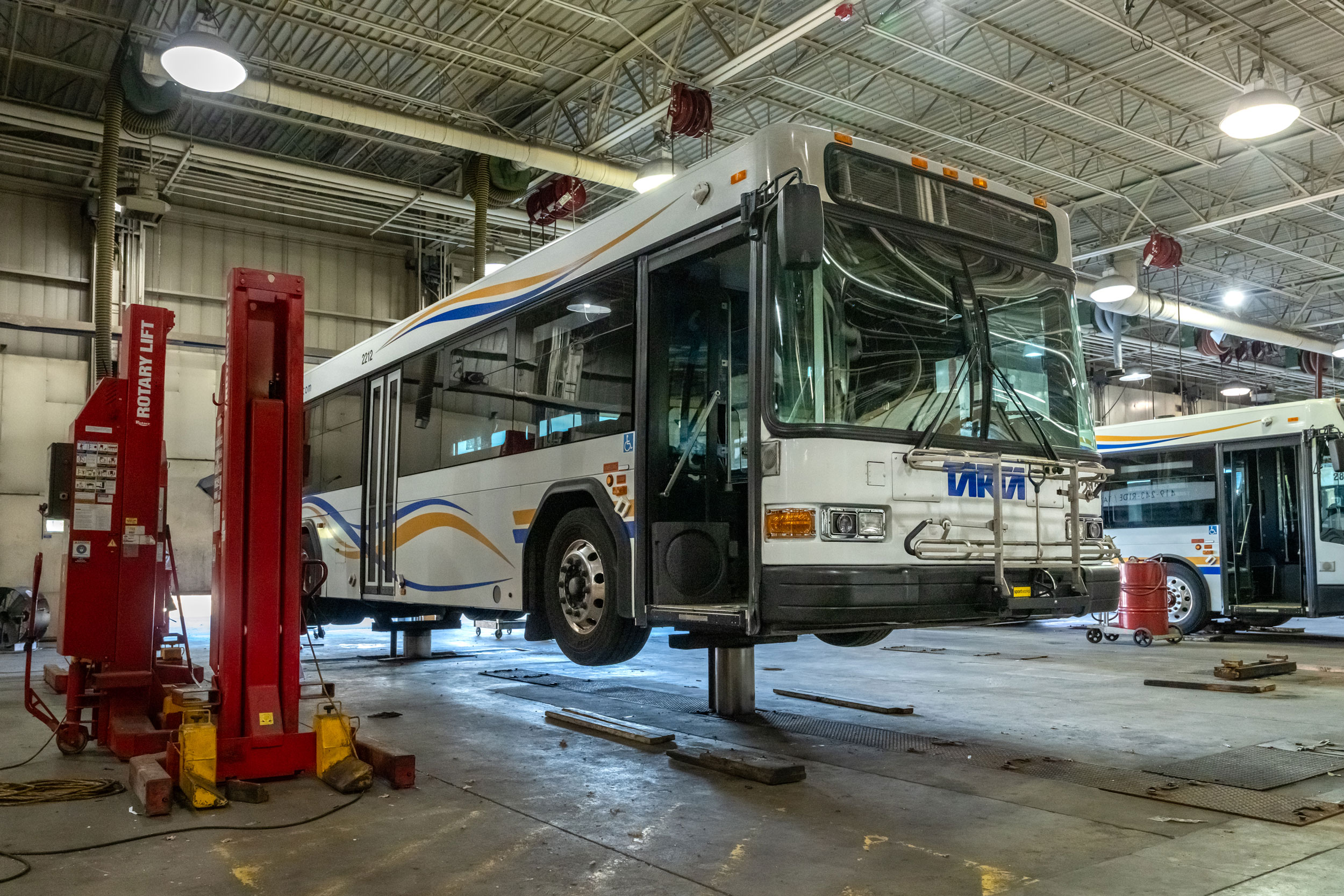
How: Implement disciplined asset planning, lifecycle management, and sustainability practices to optimize the performance of fleet, facilities, technology, equipment, and infrastructure.
Key Performance Indicators:
- Increase % of capital projects delivered on schedule and within budget
- Desirable ratio of preventive to corrective maintenance
- Increase in State of Good Repair (SGR) compliance rate (e.g., predictive maintenance and scheduling including the use of AI, lifecycle management, emerging technologies, fleet age/replacement schedules)
Strategies & Tactics
Objective II B
Strengthen asset lifecycle management and State of Good Repair (SGR).
- Develop lifecycle management plans for fleet and facilities.
- Conduct Semi-Annual reviews of the Transit Asset Management (TAM) plan.
Modernize fleet and facilities to support service quality and future mobility.
-
Leverage federal, state and other funding (private grants) for zero-emission and alternative fuel vehicle investments and maintenance.
Improve operational reliability through optimized resource deployment.
- Review IT plan and make ongoing updates based on technological advancements (AI, vehicle integration, digital customer supports).
Strengthen capital planning and project delivery.
- Continue to update and implement 5-Year Capital Improvement Plan (CIP) and annual updates.
- Enhance capital project tracking and reporting tools.
Long-Range Financial Sustainability
Objective II. C.
What: Position TARTA to operate with fiscal sustainability over the long term.
How: Advance fiscal sustainability practices through disciplined financial planning, efficient use of resources, and partnerships that strengthen fiscal stewardship and dependable operations.
Key Performance Indicators:
- Diversify funding sources (federal/state/local/private)
- Continuous assessment of the political landscape
- Success of governmental advocacy efforts
- Annual reviews of the Capital and Operating 5-year projections
- Control operating expense growth up to 5% per year
Strategies & Tactics
OBJECTIVE II. C.
Ensure long-term financial health and transparency.
- Continue to implement five-year operating and capital forecasts.
- Work closely with local government appointing authorities to ensure healthy pipeline for recruiting new board members.
- Onboard new board members and prepare them for assuming board leadership roles.
Seek out additional funding from non-traditional sources (additional grants, partnerships, etc.).
-
Evaluate grant funding opportunities and diversify funding portfolio.
- Participate in local, state and national organizations that further the TARTA’s financial sustainability such as the Toledo Regional Alliance (TRA), The Bus Coalition, APTA, OPTA, and other advocacy efforts to protect funding and develop new opportunities for state and federal funding.
Prepare in advance for the tax levy renewal process.
- Repeat the economic impact study including tax benefit analysis for TARTA.
- Determine the tax levy amount to pursue.
- Ensure board development of a plan and timeline for strong board leadership and alignment through tax levy renewal.
Community Value
Objective II. D.
What: Demonstrate TARTA’s value to the region by enhancing access, strengthening partnerships, and contributing to community well-being, economic opportunity, and environmental quality.
How: TARTA will work closely with local governments, employers, and community organizations to expand access to jobs and services, support regional priorities, and report transparently on progress and outcomes.
Key Performance Indicators:
- Increase in number of partnerships and leadership opportunities to shape the region
- Increase in key measures on community value survey
- Establish online dashboard for community reporting
- Pass next levy
- Continue to reduce emissions
Strategy & Tactics
Objective II. D.
- Participate in and convene additional conversations with other community leaders to articulate and enhance the impact of transit for the community.
- Continue ongoing LITE funding to build closer relationships with local community partners.
- Partner with local media and civic groups to share impact of transit investments.
- Develop plain-language financial and performance dashboard for website and related materials for public meetings.
- Continue and consider expansion of Community Update event.
- Continue activation of Community Engagement Plan.
Explore and as feasible initiate a TARTA Foundation.
- Conduct a feasibility study for the creation of a TARTA Foundation.
- Create a charter for establishing the TARTA Foundation, including its separate board, identifying funding sources, setup of nonprofit status, and clarifying roles and responsibilities for staff.
- Launch the TARTA Foundation, including initiation of the organization, branding and communication to clarify its roles and responsibilities in relationship to TARTA, and hiring staff to fulfill key roles.
- Grow and strengthen involvement with economic development groups and other organizations (e.g., Lake Erie West Regional Council formally TMACOG) to monitor and reduce environmental impact and grow fiscal operational sustainability.
Goal III: Operational Excellence
Empowering employees to take ownership in driving exceptional transit that makes current riders proud to ride and inspires new riders to come aboard.
TARTA becomes a transit option more people choose when it is also a place where employees want to stay and grow. Across the organization, all employees share responsibility for delivering reliable service and meeting customer needs, because employees drive the customer experience.
NOTE: This goal is related to Customer Experience but focuses on what employees do to deliver customer service.
Quality Delivery
Objective III. A.
What: TARTA is committed to providing a level of service that consistently meets and exceeds rider expectations across all operations. This includes delivering reliable operations, clean and comfortable vehicles and facilities, and technology that makes transit intuitive, convenient, and responsive to customer needs.
How: Invest in the people, places, vehicles, and processes that shape how riders experience transit.
Key Performance Indicators:
- Increase investment in employee training and professional growth
- Decrease in reports/complaints from riders about cleanliness of buses/stops
- For fixed routes, Flex, and Move:
- Increase in On-Time Performance (OTP)
- Increase in Origin-to-Destination Efficiency
- Decrease in customer complaints about service
Strategies & Tactics
Objective II. A
- Monitor buses to ensure on-time routes.
- Regularly review reliability and demand data to determine need for route changes.
-
Design and implement a more convenient mechanism for customers to pay for rides, plan rides, and track service in real time.
- Develop updated processes to monitor cleanliness of buses and stops before, during and after routes (provide trash receptacles on buses, promote rider and operator responsibility for keeping the environment clean, etc.).
- Enhance process for employees to submit service performance concerns and improvement ideas.
- Continue to incorporate changes based on input from Customer Advisory Committee.
Align expenditures with strategic outcomes.
- Align sales tax allocations with performance metrics to ensure funds are used efficiently and clearly tied to service improvements.
- Explore regional cost-sharing models for infrastructure, mobility hubs, and facilities.
- Continue service effectiveness reviews to make decisions based on demand and sales tax revenue.
- Use outcome-based budgeting to prioritize investments that improve reliability, safety, customer satisfaction, and fiscal sustainability.
Safety
Objective III. B.
What: TARTA will provide a safe transit system for riders and employees by proactively reducing risks, strengthening security, and ensuring that operations support physical, emotional, and operational safety across the organization.
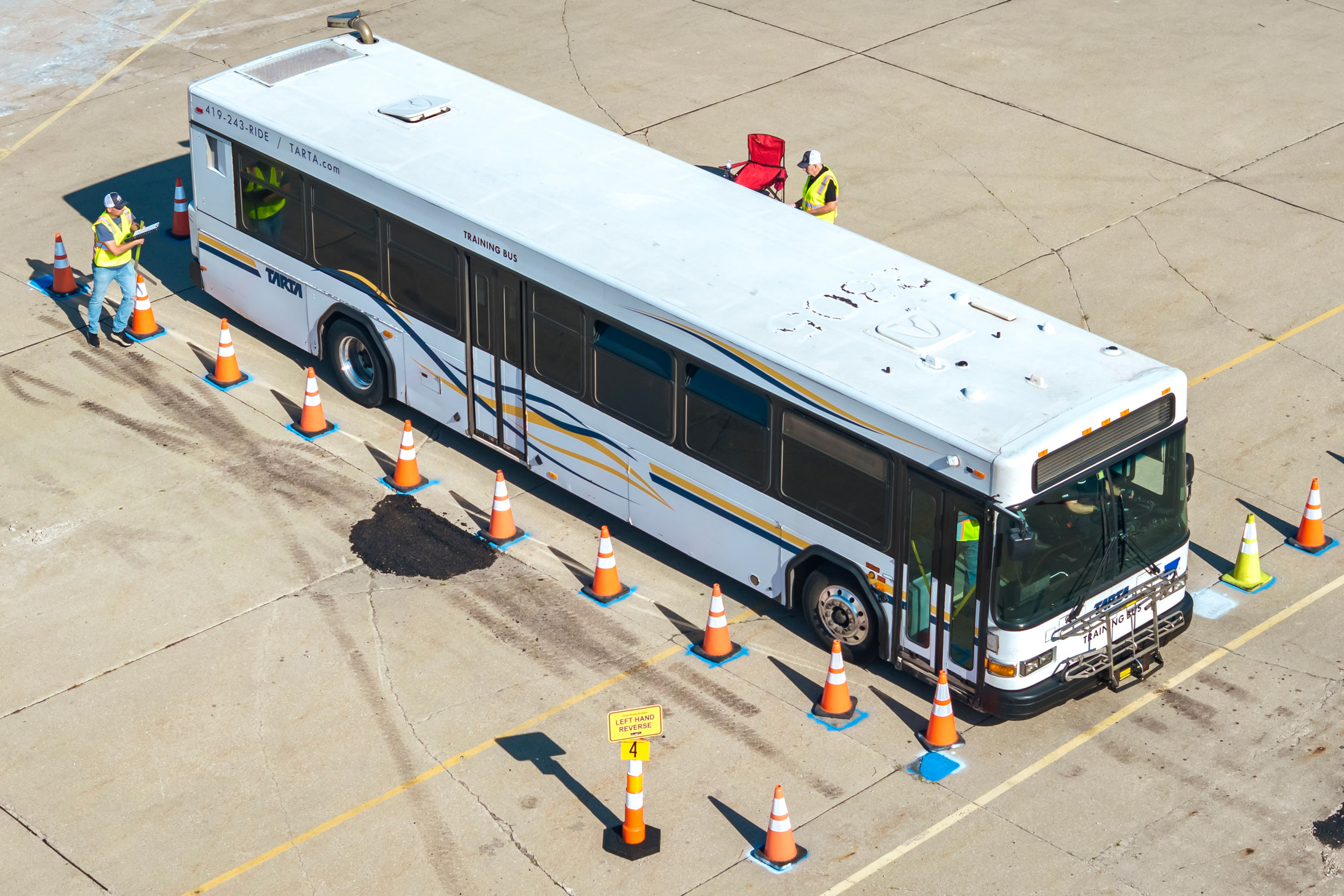
How: TARTA is committed to advancing a robust safety framework grounded in the Federal Transit Administration’s (FTA) four safety pillars. Through a collaborative labor/management relationship, clear policies, proactive risk management, data-driven assurance, and continuous safety promotion, TARTA will ensure that safety remains the foundation of operational excellence.
Key Performance Indicators:
- Decrease in incidents reported on buses
- Decrease in incidents reported at the Hub or other TARTA facilities
- Decrease in number of collisions
- Comparison of accidents on the road in cars/trucks vs. on transit in the region
- Reduction of Chargeable Accidents/Incidents by 5%
Strategies & Tactics
Objective III B
Promote safety and security of riders and employees in TARTA vehicles and at TARTA facilities.
- Conduct regular safety audits, including mystery rides and on-site checks at facilities and stops.
- Design and distribute clear safety communications, such as bulletins, updated rider codes of conduct, and employee-led engagement campaigns.
-
Design and distribute clear safety communications, such as bulletins, updated rider codes of conduct, and employee-led engagement campaigns.
Use safety assessment and metrics to identify safety and security risks and improve operations.
- Track chargeable accidents and safety incidents and use annual comparisons to identify themes and create targeted improvement plans.
- Celebrate safety milestones (e.g., days without incidents) to reinforce a positive safety culture.
Ensure bus stops and all TARTA facilities are well-lit and accessible.
- Improve lighting, visibility, and sidewalk access at the Hub, stops, and facilities, coordinating with the City and utilities where needed.
- Create and promote an annual safety plan and calendar with consistent messaging for frontline staff.
- Determine 2025 Chargeable Accidents/Incidents and implement plan to reduce by 5%.
Regularly conduct Worker Safety Reports to ensure worker safety and the perception of safety.
- Design and distribute clear safety communications, such as bulletins, updated rider codes of conduct, and employee-led engagement campaigns.
- Continue to monitor safety findings and adjust trainings to address emerging needs and trends.
- Deliver targeted micro-trainings to reinforce key safety messages throughout the year.
Employee Experience
Objective III. C.
What: TARTA will cultivate a supportive, professional, and growth-oriented workplace that attracts top talent, invests in employee development, and fosters a culture where every team member feels valued, equipped, and proud to serve the community.
How: A strong employee experience is essential to delivering exceptional transit service. TARTA will enhance recruitment, retention, training, and organizational culture through intentional investment in its workforce.
Key Performance Indicators:
- Increase in retention rate
- Compensation study results (measuring competitive and equitable pay) and incorporation of changes as needed
- Increase in employee satisfaction
- Increase in neutral and positive results from stay and exit interviews
Strategies & Tactics
OBJECTIVE III. C.
- Implement more targeted training and development programs designed to help TARTA employees meet their career goals.
- Create a TARTA Academy in collaboration with TPS and PENTA to grow the pipeline of transit employees.
- Design a Fellowship Program at TARTA to invest in future TARTA leaders.
Ensure employees have the tools, technology, and equipment needed to deliver exceptional service.
- Continue the annual employee engagement survey to monitor employee satisfaction.
- Ensure employees are using available tools for structured feedback and tracking (e.g., for operators to report equipment issues and receive timely updates on resolution).
-
Continue the annual employee engagement survey to monitor employee satisfaction.
-
Promote, track usage, and continuously improve employee support programs.
- Annually review and revise Retention Plan.
- Continue to conduct stay and exit interviews and plan future employee experience improvements based on findings.
- Activate and support internal feedback loops strengthened by labor and management meetings, communication systems, and survey results.
- Monitor and track whether reduction in chargeable accidents and safety incidents correlate to increased retention; increased engagement; reduced turnover.
- Expand the annual all-employee Roadeo event to include the Maintenance and TARTA Move teams.
Implement internal communications program aligned with Retention Plan that recognizes and celebrates employees.
Goal IV: Growth
Connecting more people and places in the region.
The fourth goal is about geographic, service-specific, and community growth. As the community population shifts, our services adapt in response to community needs and expectations.
Innovation
Objective IV. A.
What: TARTA will invest in new technology, vehicles, and infrastructure that make services easier to use and more efficient to operate.
How: TARTA will upgrade customer-facing technology, modernize fleet and maintenance systems, and advance major service improvements to support reliable, high-quality transit.
Key Performance Indicators:
- Increase in customer satisfaction
- Increase in agreement with employee response to tools needed to do my job
- Meeting BRT development and implementation milestones
- Increase in AI adoption across workforce
- Begin transformation of a modern maintenance facility at Central Avenue by 2027
Strategies & Tactics
Objective IV. A
-
Implement emerging technologies that modernize the experience for riders, as feasible.
-
Assess employee training and maintenance needs for new vehicles and technology.
-
Continue EV and other alternative fuels deployment.
-
Assess employee training and maintenance needs for new vehicles and technology.
-
Continue the Bus Rapid Transit (BRT) study and implement as feasible.
- Train staff on smart AI use for supporting customers and the entire transit system.
- Develop design and cost estimates for updated maintenance facility.
- Continue to secure funding for Central Avenue maintenance facility and initiate construction.
Geographic & Service Expansion
Objective IV. B.
What: TARTA will extend transit access to underserved communities and growing areas within the region, ensuring that more residents have reliable connections to jobs, services, and opportunities.
How: TARTA will conduct comprehensive feasibility studies, engage community stakeholders, and develop phased expansion plans while ensuring financial sustainability and operational readiness.
Key Performance Indicators:
- Develop and launch option(s) for service to currently underserved areas in Lucas County by 2030
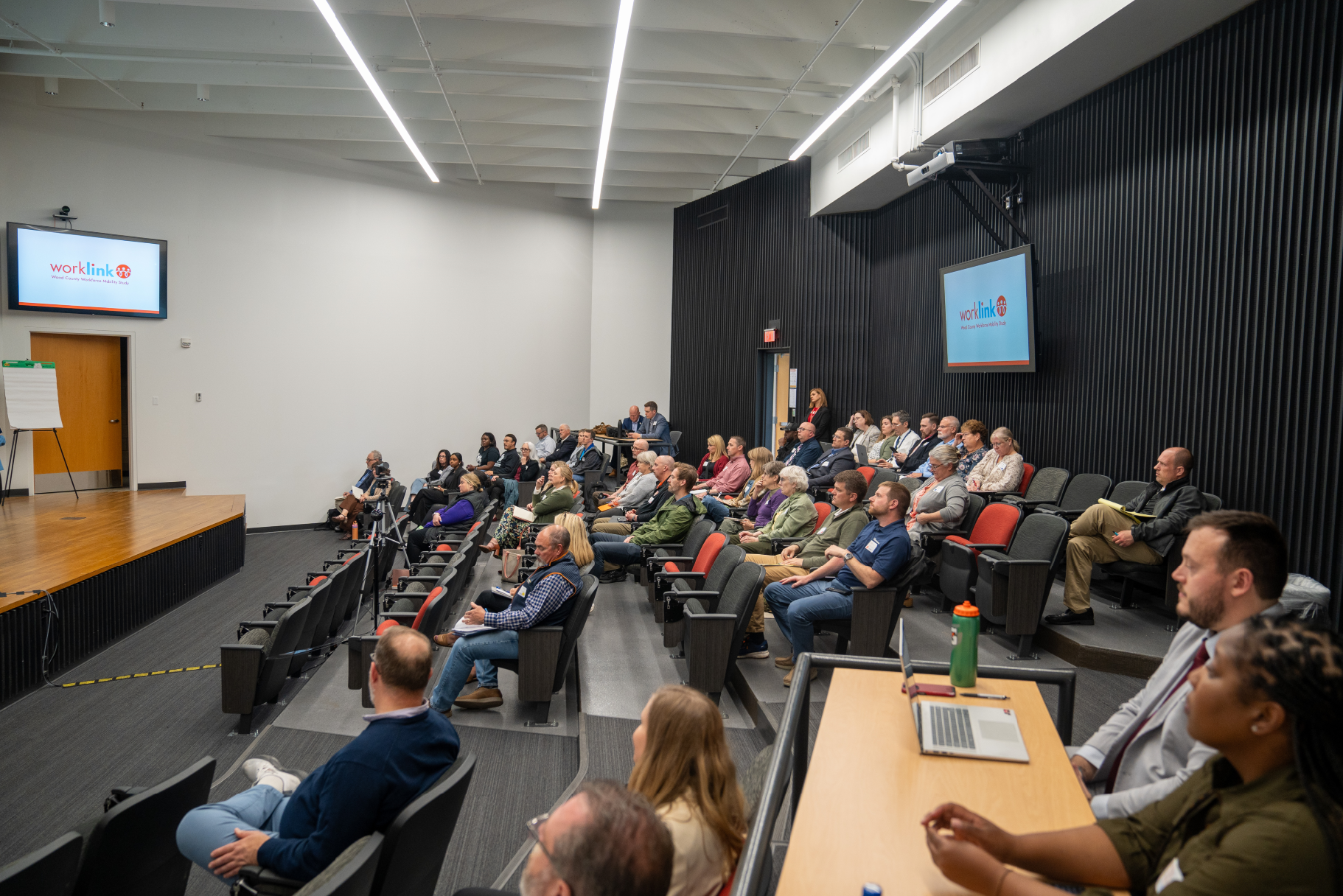
- Complete WorkLink Study by 2026
- Develop options to expand service into portions of Wood County by 2027
- Increase in ridership across areas of need
Strategies & Tactics
Objective IV B
Evaluate and advance potential service expansion into portions of Wood County.
- Complete comprehensive feasibility studies for expansion into portions of Wood County.
- Engage community stakeholders through public forums and surveys to assess transit needs and preferences in Wood County.
- Develop phased implementation plans with clear timelines and resource requirements.
- Continue to analyze ridership data and community surveys to identify high-demand corridors and underserved neighborhoods within current service areas.
Expand services for special events so more people can experience the benefits of transit.
- Activate service expansion for special events.
Work with other mobility partners to support underserved areas.
- Partner to explore development of transit solutions, including the potential of travel to Detroit airport by conducting a feasibility study and supporting the inter-city bus service (GoBus) activation.
- Secure funding partnerships and agreements with local governments in target expansion areas.
- Continue to review financial models and options to be able to reach more people who need TARTA Move and TARTA Flex services.
Economic, Community, & Workforce Development
Objective IV. C.
What: Accelerate regional vitality by leveraging transit infrastructure.
How: Support the region’s businesses and residents through targeted workforce, economic, and community development initiatives that move the workforce and help drive community prosperity.
Key Performance Indicators:
- Increase in customer and community satisfaction with economic, community, and workforce supports provided through transit
- Increase in employer and nonprofit partner satisfaction with transit
- Increase the number of residents who are living within a 10-minute walk or quarter mile of fixed route transit service
- Bring in new partners to the Hub that benefit all customers and the Vistula neighborhood by 2027
Strategies & Tactics
OBJECTIVE IV. C.
Explore the possibilities of transit-oriented development and implement as feasible with partners.
- Conduct a feasibility study to identify optimal corridors and stations for high-density, mixed-use development, focusing on existing or planned high-frequency transit routes.
- Develop and adopt TOD-supportive zoning and land-use policies (e.g., reduce parking minimums, increase height/density limits) around target transit stations to incentivize desirable development.
- Advocate for a financial incentive program (e.g., tax abatement, TIF districts, low-interest loans) specifically for developers committing to a mix of affordable housing and commercial/retail space in TOD zones.
-
Continue to activate a strong community development role for the Overland District, Land Bank, and other efforts supporting the Central Avenue community involving staff members (e.g., master planning for Central Avenue facility).
-
Explore and activate more partnerships with geographic areas/municipalities, workforce organizations, nonprofits, and high-demand employers to ensure transit supports the potential of the area’s workforce and businesses.
-
Identify all customer needs at the Hub and in Vistula neighborhood and align property planning and developing supports with partners.
Mission
Driving our community's success: safely, reliably, and with care.
Vision
A community on the move, where transit powers a thriving future for all.
Values

Respect
Showing regard, empathy, and acceptance on an equal basis. Giving one another the same consideration and value you would expect for yourself, regardless of difference or disagreement.

Communication
Successfully sharing and receiving ideas and information for the purpose of building an understanding and developing stronger relationships.

Integrity
Being honest and having strong moral principles. Behaving ethically and doing what is right regardless of acknowledgment.

Safety
Minimizing risk, maintaining systems and procedures, and ensuring protection and security. Prioritizing mental, emotional, and physical well-being.

Collaboration
Working together in the community, across the organization and including all perspectives to achieve shared goals and deliver excellent service. Prioritizing open communication, mutual respect, and the power of creative thinking. Actively listening, supporting one another, and building on each other’s strengths. Fostering unification, harmony, and meaningful solutions for the benefit of all.
Strategic Plan FAQ
Why did you change your mission and vision statements?
Our employees had strong affinity for our previous mission and vision statements, and we are proud of this. It’s a testament to their effectiveness in moving us forward during a time when we needed to keep our focus on empowering people to make connections and being the leader in quality and innovative mobility options to better our community.
Hearing from the community about its additional needs, and looking to the future, we needed to adjust our mission and vision statements. This is a normal process for all organizations as time passes and priorities expand.
Why did the values stay the same?
We updated our values statements less than a year ago with a high level of staff engagement as part of the Performance Management Plan process, so they are still aligned with our organization’s culture and support the work as we move into the future. The values are reviewed annually to facilitate additional discussion with employees.
What role do board members play in the strategic plan?
The Board of Trustees has played an invaluable role in the plan’s development process. They were all interviewed to provide input into the plan’s key elements. Additionally, they participated in a board workshop to review initial stakeholder input and discuss how to include it in the plan. They also received updates and discussed next steps during four months of board and/or committee meetings (September, November, and December 2025; and January 2026).
The board plays a key role in governance and policy for TARTA, and in this capacity they approve the plan and transition responsibility for its implementation to staff. During implementation, they will receive regular updates about performance on the plan. Additionally, all board members play a role in communicating with their local stakeholders and advocating for the priorities articulated in the plan.
How is the Strategic Plan implemented in conjunction with the Performance Management Plan (PMP)?
The two efforts are complementary, not conflicting. The PMP has been a critical performance framework for the organization as we have been implementing the TARTA Next Plan over the past three years.
Now that we have a Strategic Plan to guide us in prioritizing the significant work ahead, the PMP will operate within this overarching umbrella. For example, PMP tactics and metrics are incorporated within the detailed implementation plan that activates the big moves outlined in the Strategic Plan. The Strategic Plan includes Key Performance Indicators for each goal’s objectives, providing a hierarchy of higher-level metrics for performance management that help organize more granular metrics.
Additionally, TARTA has an Implementation Plan that accompanies the Strategic Plan and covers detailed metrics, as well as delving into tactical work organized by owner and timeframe to help the organization manage the work. After the Board has adopted the Strategic Plan, the Implementation Plan will be finalized and activated by the organization.
There are multiple layers of detail to the Strategic Plan. Some areas of work involve feasibility studies and other interim stages that will determine completion dates. Not all organizations provide dates in their Strategic Plans because the work is ongoing and tracked in Implementation Plans. This level of detail is managed through TARTA’s Implementation Plan, which will guide timelines, ownership, and phasing as the work progresses.
Many KPIs in the Strategic Plan are intentionally directional at this stage (e.g., “increase,” “improve,” “expand”). As part of early implementation, the leadership team will prioritize:
- Identifying which KPIs are trend-based, milestone-based, or emerging
- Trend-based: Measure performance over time to show improvement, decline, or stability. Answer the question: Are we getting better, worse, or staying the same? (Example: Decrease in incidents reported on buses.)
- Milestone-based: Track whether a specific action, project, or decision is completed by a defined point in time. Answer the question: Did we do what we said we would do? (Example: Begin construction of Central Avenue maintenance facility by 2028.)
- Emerging: Areas of strategic importance where measures are still being defined, data is incomplete, or targets have not yet been established. Answer the question: What do we need to learn how to measure? (Example: Increase customer trust in the TARTA brand)
- Establishing baselines for trend-based KPIs
- Defining short-term, mid-term, and long-term targets or performance ranges for all KPIs
- Documenting data sources, owners, and refresh cycles for all KPIs
This work will be treated as a formal phase of implementation rather than a side task. Documentation of KPI maturity will help set appropriate expectations with the Board and the public.
How did you engage stakeholders in the development of the plan?
Stakeholders were involved throughout the development of the plan, over the course of six months beginning in August 2025 and ending in January 2026.
- During the first phase of stakeholder input, we reviewed community and employee survey data from the previous year to inform necessary elements from the plan. Additionally, we conducted focus groups with employees and the Customer Advisory Committee, asking open-ended questions about what the plan should highlight.
- In the second phase of stakeholder input, we asked employees and community members to respond to drafted elements of the plan’s mission, vision, and goals during a series of focus groups and coffee chats.
- As our final phase of stakeholder engagement, we requested survey feedback on the draft plan during an open comment period (Dec. 19, 2025–Jan. 12, 2026).
Over the course of the six-month engagement process, there were 235 touchpoints with stakeholders through a survey, along with 15 focus groups and coffee chats. We reached out through social media, news media, our website, and through partners to connect with a variety of stakeholders representing community perspectives from riders and other customers, employees, elected officials, government and nonprofit leaders, and business professionals. Through intentional outreach and a co-designed process with staff, TARTA's strategic plan has been created with an above-average level of input and feedback from the community.
Riders and other stakeholders under the age of 35 were represented but less than other groups in surveys, focus groups, and coffee chats. To encourage additional engagement, TARTA will gather input from younger folks during future coffee chats and track their participation. Additionally, TARTA has initiated a Youth Advisory Group that will be leveraged for ongoing insights to inform our work.
Customer Experience FAQ
Goal I
We are targeting the operation of services from the Franklin Park Station by 2028. For the new downtown transit center, our goal is to develop finalized plans, designs, and a funding structure by 2031, with implementation following thereafter.
How will moving toward cashless payment and fare capping impact our most vulnerable riders?
We are mindful of accessibility. While we aim to develop an on-vehicle cashless plan by 2030 to improve efficiency, we will simultaneously educate riders on fare capping to ensure they get the best value. We are also monitoring regional and national fare structures to ensure TARTA remains an affordable option for all.
Why is a rebrand of the fixed-route service necessary right now?
Strengthening trust and understanding of TARTA’s services is critical. By 2027, we aim to launch a new brand for fixed-route buses that aligns with the modern look of TARTA Move and Flex. Fixed-route buses carry the highest ridership and have the greatest public visibility, yet their branding has remained largely unchanged for more than a decade. Building on the strong community response to the TARTA Move rebrand, this update will help signal system modernization and reinforce who TARTA is today.
How are we ensuring that new technology doesn't leave some riders behind?
While we are introducing online booking for TARTA Move by 2029 and enhancing app capabilities, we are also examining the possibility of extending information desk hours for customer assistance. We will provide travel training opportunities to help all riders feel comfortable with our systems.
What measures are we taking to improve services for riders with disabilities?
We plan to obtain an autism designation for the organization and implement additional supports based on ongoing studies. Furthermore, we are enhancing technology specifically for TARTA Move customers to improve their experience.
How will we measure if our customer service improvements are actually working?
We are tracking these specific metrics: increases in our Net Promoter Score (NPS) and annual Customer Satisfaction scores. We will also monitor marketing metrics like clicks and conversions to gauge engagement.
Are we planning to expand service hours or frequency?
Yes. We will analyze ridership and demand data to identify routes that need frequency improvements. We are also assessing the extension of Hub hours to better serve riders.
How does the "Connecting People" objective account for riders outside our current service area?
We are actively looking to connect mobility options for Lucas and Wood County residents who are currently outside our service area. This involves conducting studies and providing timelines for solutions by 2028.
What is the strategy for engaging with the business community regarding employment needs?
We will conduct annual surveys or focus groups with businesses and employers to ensure we are meeting their workforce transportation needs. We are also considering creating advisory councils for key stakeholder groups.
Stewardship FAQ
Goal II
How does this plan prepare the organization for the next tax levy renewal?
Financial stewardship is central. We will repeat our economic impact study to demonstrate TARTA’s tax benefit and ensure the Board develops a timeline and plan for a strong renewal campaign. Additionally, we will prepare board members to support the organization as it pursues the next levy through training in community advocacy.
Why is TARTA exploring the creation of a separate TARTA Foundation?
Having a foundation would allow TARTA to diversify revenue by pursuing non-traditional grants and private funding. If we establish a foundation, it would have its own 501(c)(3) status and board dedicated to community supports and be distinct from our operating budget, which is focused on transit. This is the potential of having a foundation, but our first step will be a feasibility study to more deeply explore whether it is the right decision for TARTA in the long term.
What are our targets for controlling costs?
We have set specific metrics: controlling cost per hour to up to 5% growth per year and controlling overall expense growth to up to 5% per year.
TARTA’s CFO has done significant research across two budgets and for the 5-year plan. These cost control targets are reasonable for the organization. While many things such as health insurance costs and worker’s compensation are out of our hands, we can confidently control operational cost per hour and overall expense growth by up to 5%.
Should the organization try to increase its revenue?
In the current funding climate, increasing revenue may not be feasible. The TARTA Foundation can help to diversify revenue, and we will use real estate (e.g., from tenants at the Hub) to bring in different streams of revenue. For example, tenants would cover their own utilities which can offset our costs. For this reason, we have a Key Performance Indicator for bringing new partners into the Hub.
How much do we aim to keep in our reserve fund?
We are targeting a reserve fund equal to 6 months of operating expenses to ensure financial stability.
How are we ensuring our assets are maintained properly?
We will develop lifecycle management plans for our fleet and facilities and conduct semi-annual reviews of our Transit Asset Management (TAM) plan.
What is our strategy for securing grants and other diverse sources of funding?
We will pursue new federal and state grants (Federal Transit Administration, Ohio Department of Transportation, etc.) using a coordinated internal grant calendar and application team. We will also work to diversify funding by balancing federal, state, local, and private sources to reduce reliance on any single revenue stream and strengthen long-term stability.
How will we report our financial performance to the public?
We will publish an annual financial summary and scorecard for public review. Additionally, we plan to develop an online dashboard for transparent community reporting.
How does sustainability fit into our financial planning?
Financial sustainability means planning and managing resources in a way that allows TARTA to deliver service reliably over the long term, even as funding sources and costs change. This includes making strategic investments, spreading risk, and avoiding decisions that create future financial strain.
One way TARTA supports financial sustainability is by partnering with regional governments, such as the City of Toledo and Wood County, to share the costs of planning and studying major initiatives like mobility hubs and Bus Rapid Transit. TARTA also partners with other transit agencies on electric vehicle (EV) buses to reduce costs by coordinating vehicle purchases, training drivers and mechanics together, and learning from shared maintenance and operating experience rather than each agency absorbing those costs on its own.
We will work with local government to recruit new board members and ensure the board is prepared to assume leadership roles through onboarding and ongoing training that prepares and supports board members.
What role does the "Community Value" objective play?
The Community Value objective focuses on clearly demonstrating how transit contributes to the region’s economic vitality, workforce access, and community support. Rather than limiting this to a single data point, TARTA will use a mix of performance indicators, stories, and partnerships to show how transit investments support people, employers, and communities.
TARTA will work with local media, civic organizations, and partners to communicate this impact and will track progress over time using measures that reflect access, opportunity, and community benefit as they are refined through implementation.
Operational Excellence FAQ
Goal III
What steps are we taking to improve On-Time Performance (OTP)?
We will monitor buses to ensure on-time routes and regularly review reliability data to determine necessary route changes. OTP is a key measure for our "Quality Delivery" objective.
With safety as a core value, what specific metrics are we using to measure success?
We are adopting a data-driven approach with a specific target to reduce Chargeable Accidents/Incidents by 5%. We will also track and aim to decrease incidents reported on buses and at our facilities.
How will we ensure our facilities are safe for both employees and riders?
We will improve lighting, visibility, and sidewalk access at the Hub, stops, and facilities. Our riders and elected leaders consistently tell us that all three of these are high priorities. With growing community demand in townships and other new areas, addressing these needs is critical. The work requires coordination with other public entities, and it will require tactical steps to activate as well as having strategic-level visibility. We also plan to conduct regular safety audits, including mystery rides and on-site checks.
In the public transit industry, the PTAS (Public Transportation Safety Plan) deals with all relevant crisis situations. This handles what would be called a “crisis plan” in non-transit organizations.
Are we benchmarking our safety performance against other regions?
Yes, we will compare accidents on the road in cars/trucks versus on transit in the region to contextualize our safety performance.
Why does this plan have a goal focused on the employee role in delivering customer service?
If the staff is not engaged and empowered, they will work elsewhere. Employee ownership is real and powerful as a key element of this work. It is measurable and makes a difference for our customers and the community.
What is being done to improve the cleanliness of our buses?
We are developing updated processes to monitor cleanliness before, during, and after routes. This includes providing trash receptacles on buses and promoting shared responsibility between riders and operators.
How does this plan address workforce retention challenges?
We are focusing on making TARTA a competitive place to work by regularly assessing compensation and benefits. We plan to create a "TARTA Academy" with local partners, and we will use stay and exit interviews to continuously improve workplace culture.
How are we involving frontline employees in decision-making?
We are partnering with union leadership through loops like the All-Staff Safety Committee and enhancing processes for employees to submit service performance concerns and ideas.
What does the "TARTA Academy" entail?
It is a collaboration with Toledo Public Schools (TPS) and PENTA Career Center intended to grow our future pipeline of transit employees. This is part of our broader strategy to invest in future leaders through a Fellowship Program.
How are we addressing the mental and emotional well-being of our staff?
We are offering accessible employee support programs, including wellness and assistance services. We will promote these programs and track their usage to ensure they are effective.
How will we recognize employee contributions?
We will implement an internal communications program aligned with our Retention Plan to celebrate employees. We also plan to expand the annual "Roadeo" event to include Maintenance and TARTA Move teams.
Growth FAQ
Goal IV
What is the strategy for expanding into Wood County, and how do we ensure it is sustainable?
We are taking a measured approach. The plan calls for completing a comprehensive feasibility study by Q4 2027 to assess needs. Implementation will be phased based on clear resource requirements and funding partnerships.
How will TARTA utilize Artificial Intelligence (AI) to activate its plan?
We intend to leverage AI to streamline rider and employee experiences. This includes training staff on smart AI use and relying on data for predictive maintenance to improve our State of Good Repair.
What is the status of the Bus Rapid Transit (BRT) project on Monroe Street?
We are continuing the research and development phase. The strategy is to continue the BRT study and implement milestones as feasible, ensuring we have the right service plan in place.
When will the updates to the maintenance facility at Central Avenue be ready?
We aim to develop design and cost estimates by 2026 and begin construction by 2028. This modern facility is crucial for supporting our employees' best work.
Completion of the facility does not impact service to our electric vehicles (EVs). The current facility is equipped to work on electric buses. The Strategic Plan has a Key Performance Indicator for launch of the modernized facility in 2028. This will be a multi-year project based on state and federal funding.
How does "Transit-Oriented Development" (TOD) fit into our growth strategy?
We plan to conduct a feasibility study to identify corridors for high-density, mixed-use development. We will also advocate for zoning policies that incentivize development around our stations.
Are we considering alternative fuel sources for our fleet?
Yes, we will continue to explore and implement modern technology, including the expansion of alternative fuel sources like EVs. We will assess maintenance and training needs for these new vehicles.
How will we support special events in the region?
We plan to activate service expansion specifically for special events so more people can experience the benefits of transit. For many in our region, this is their only opportunity to ride public transit, and we want to expose them in a positive way to what public transit offers. We will support special events with our vehicles based on the size of the event and will plan in advance with event hosts to ensure that our service meets event needs.
What is the "Mobility District" mentioned in the plan?
A Mobility District is a special neighborhood designed to make getting around easy, even without a car. Instead of just having a single bus stop, it’s a whole area where everything—buses, trains, sidewalks, and bike lanes—works together perfectly.
We are advocating for a Mobility District near the TARTA Move offices and MLK Plaza/Amtrak Station. Mobility Districts include these types of features, but keep in mind that the one in our plan is still being planned out:
- Frequent service: Buses or trains that come every few minutes.
- Safe paths: Wide sidewalks and protected bike lanes that connect you to where you need to go.
- Convenience: Housing, shops, and jobs are all close together so trips are shorter.
- Access for everyone: Design that works for people of all ages and abilities.
Think of it like a support system for travel. A transit agency doesn't own all the buildings; instead, they work with the city and local businesses to make sure the transportation fits the neighborhood. This makes transit the easiest, fastest, and most reliable way to move through your day.
What are the plans for the Hub?
TARTA is making planned investments in Hub improvements. We are installing a new elevator and making other adjustments so the Hub is tenant-ready within the coming years. These improvements will require phasing and incremental work leading up to 2028, when we plan to welcome new tenants.
TARTA’s presence at the Hub resonates with community members, including voters and funders, who live in Toledo. The community wants to see more investment in Vistula, which is why TARTA is continuing to make improvements. Cherry Street is a gateway to the city, and this visibility requires our attention.
With planned maintenance facility updates and the community push for Bus Rapid Transit, replacing the Hub is not a priority. This is also driven by funding realities and staff bandwidth. Note that the Mobility District will help to address ongoing enhancements to our overall facilities.
How will we measure the success of our economic development initiatives?
Key measures include increasing the number of residents living within a 10-minute walk or quarter mile of fixed-route service and tracking partner satisfaction with our transit supports.
Are there plans to connect with services outside of TARTA?
Yes, we are exploring partnerships to develop transit solutions that could include coordinating with other providers for travel to the Detroit airport and inter-city bus services like GoBus.
Will TARTA be looking to grow ridership?
Our plan does have a Key Performance Indicator focused on ridership: Increase in ridership across areas of need. “Areas of need” will be driven by data. For example, the current riders and other community members consistently request helping out older riders.
How is TARTA helping to encourage more community members to ride instead of drive?
TARTA’s focus on Transit-Oriented Development (TOD) will make development patterns more aligned with transit, so that more people see public transit as a great option for travel. Additionally, TARTA will be more engaged in road projects to make them multi-modal and people-oriented, since road capacity increases are not helpful in the long run.




Empowering people to make connections.?